Mountain Bike Reviews Forum banner

Epic 8 seat tube angle not what specialized claims

12K views 96 replies 16 participants last post by  le_pedal  
#1 ·
Anybody else with a Epic 8 feel a little crammed in the cockpit
I’ve measured the toptube horizontal length and on a size small frame in the high setting it’s 558 not the 568 that specialized states in their owners manual
So I was wondering where the difference lies I checked the reach measured from the center of the bottom bracket to the center of the head tube at stack height and it comes out to 424 mm which aligns with Specialized owners manual
So I then checked the seat tube angle and from the center of the bottom bracket to stack height on the seat post the effective seat to angle is 77° way steeper then what Specialized claims in their owners manual at stack height the seat post measures 134mm which gives me a top two length of 558 mm adding the reach number and saddle setback number from center of the bottom bracket together
This is epic8 expert size small
I went by a couple specialized dealers and measured a medium size and a large size and on both of those bikes. The reach numbers are correct as Specialized has stated but once again same as the small the seat to angle is steeper than Specialized claims both the medium and the large have the same seat post setback at stack height from center of bottom bracket 134mm
Then went to another shop that had an S-works size small in stock and it has the same issue as the expert model in size small does I was hoping maybe because the carbon lab was different that there was a different mold and that was the discrepancy was between the molds and that wasn’t disclosed in the owners manual, but that’s not the case
I’m coming off 2018. Epic works with the saddle set at the same position on the rails.and a saddle height of 700mm from center of the bottom bracket My saddle is 35 mm further forward!!!!
As someone who has worked in the bike fitting industry 35mm further forward saddle change is huge so I slam my saddle all the way back on the rails and now I’m 15mm further forward than my old position but unfortunately after trying lots of things to resolve the issue, I’m not able to adapt to the new geometry I have way to much pressure on my hands and on extended periods of flat trails, I get wrist, pain, and numb hands not good
And had to go to a really upright position to make it work but as someone who races XC at a high level being so upright doesn’t allow me to put the power down and my lap time on this bike has suffered
Please check for your self and measure the top tube horizontal length and effective seat tube angle I’d like to know what other people are finding.
 
#2 ·
Unfortunately the industry is not standardized for geometry. Some may report at full droop, some may be at one sag setting, others at another. Looking at 2 similar singlespeed frames. One geometry with fork length st 483, the other at 506. We'll, that 1 degree HTA angle just changed to -0.3 degrees (off memory). Another manufacturer reports at 530. 483 is roughly a 100mm fork at 20% sag, 506 is a 120mm fork at 20% sag, and 530 is a 120mm fork at full droop.

Epic world cup supposed to be set at 0 sag. Presumably others at 30%. Are you measuring with any sag? Have you determined what setting Specialized uses? FWIW, neither Trek nor Niner have responded to my request for that info.
 
#3 ·
I totally agree with you that the bike industry is all over the map with how they measure geometry of a bike and effective seat tube angle is one of the biggest stats on a bike that get miss represented.
the MTB industry has come along way recently but there is still a lot of room for improvement this is 2024 and by now the industry should have standardized how they measure mtbs
To me effectively seat tube angle should always be taken at stack height from the center of the bottom bracket and horizontal top tube should also be measured at stack height from center of bottom bracket I don’t see a reason to do it differently just doesn’t make sense and is confusing people who are just trying to figure out if a bike will work for them without having to buy the bike and take it out and see how it goes. Is just plan wrong the industry need to standardization geometry measurements and if they are using some other methods to measure the bike then they should at least disclose how they come up with those numbers
Bicycle Tire Wheel Bicycles--Equipment and supplies Bicycle tire

The new boys on the mountain bike block Panarello have come up with the best geometry chart for a mountain bike. I’ve seen to date kudos to them!!!!!!!
This is how every brand should show their geometry charts of their bikes and at this point, I feel like any brand that’s not providing a geometry chart with this level of detail is doing the bike industry a disservice lots of money goes into developing these bikes there’s no reason they can’t create a geometry chart as such it makes it so much easier for the customer to understand what they’re truly getting with their harder and money, instead of half ass geometry charts that leaves a lot of guest work
Pinarello put a lot of effort in developing their new mountain bike and it shows and I love that they came up with a bike that single focused on creating a bike that works for the worlds best riders and has no compromise and doesn’t try to be something that it’s not
I wouldn’t choose the bike for myself because of the bike has crazy high anti-squat the Panarello dogma XC with a 36 chain ring has a anti-squad at sag of around 106% for me who rides lots of super steep long climbs I run a 32 chain ring and with that size chaining the anti-squat would be crazy high like probably close to 150% anti-squat so every pedal stroke the bike would literally lift the rear end and trying to pedal over rough ground with that high of anti-squat would be pretty harsh and draining for me as an amateur with a 32 chain ring it’s definitely not a bike for amateur riders pro power only
I think they did a great job of coming up with the XC mtb with great geometry numbers That would work for not only the pros but the amateur as well and it stays away from some of the trendy geometry stuff that I feel has gotten out of hand recently and are just gimmicks to sell bikes people new bikes I feel the sales men have taken over and the bike industry unfortunately just copys what the other guys are doing, monkey see monkey do versus actually sticking by there bike design and philosophies and put their nose down and just focus on making good bikes that work for them and the terrain they ride mountain biking is very terrain specific and we need bikes with more variety instead of bike looking like every other bike
instead of trying to look at what everyone else is doing and Copy them just to sell bikes and stay with the latest trends Instead and always rushing to the next new thing with out long term testing which takes time and money and devotion to there theories on how geometry should be

In some ways, I want to forgive Specialized for the mistake they made on the geometry chart, but after looking at this graph
Bicycle Wheel Tire Bicycle wheel Bicycles--Equipment and supplies

it shows plain as day how they’re measuring the bike and their numbers just don’t add up
Font Screenshot Number Parallel Pattern

I sent an email to some friends that work pretty high up in specialized at the end of last week and after showing them first hand the discrepancies with their geometry chart they agree that something is not right and said they would speak with the engineer team and see if they can acknowledge the issue and try to at least correct it so people get what they are expecting for their hard earned money, not some half assed, geometry, chart that leaves a lot of guesswork, and isn’t even correct and I feel that at this point for the price that mountain bikes go for the industry needs to step up and provide this information in an easily digestible standardized method that the entire MTB industry can benefit from.

I feel like the epic 8 has lost its XC roots and is now more of a trail bike that they are marketing as an XC bike I feel they made the epic 8 geometry to suit the epic Evo and then just put an XC fork and shock on it and call it an XC bike Specialized sells a lot of bikes at the volume of bikes that they sell. There’s no reason that they couldn’t have developed two separate frames instead they cheap out and made one frame and sells it as two different bikes more profit for them as they only have to come up with one mold and can sell it as two different bikes I was hoping that this time around Specialized would step up and create a frame devoted to an epic Evo and another frame devoted to the epic that would’ve been sweet, but unfortunately, they chose profit over performance

after discovering the issues with the epic 8
I ended up purchasing an epic World Cup, and fortunately, the geometry numbers actually match the chart :)
And I’m able to get my saddle where I needed to be🏁
I know that the epic World Cup is pretty singly focused, but I’m gonna give it a try and see how it goes I have an extension background in the motocross, suspension industry, and I’ve come up with some pretty cool ideas on things I could do to that bike to improve this suspension just that much more but I also think that the last generation epic Evo had really good geometry and stayed away from the crazy steep seat to angle I’m going to try to pick up a 2021 thru 2023 epic evo frameset used and put flight attendant on it and see how it goes versus the epic World Cup fun stuff :)
 
#4 ·
I’m measuring the bike with no sag on level ground and every number comes up correct except the effective seat tube angle and horizontal top tube are incorrect
Bottom bracket drop is correct. Head to angle is correct. Front center is correct chain stay length is correct. A good one to always check is head tube angle it’s easily measured on the fork tube And helps to confirm that the way that I’m measuring the bike is the same as Specialized is but effective seat tube angle and top tube horizontal angle doesn’t measure what they say

All geometry charts should be based off of bike with no SAG on flat ground. Everyone runs different sag and taking those numbers at some point would just complicate things further.

SAG and how it affects your bikes, geometry is pretty easy to understand
Take the epic World Cup for example no rear sag and with 110 mm fork most people would run around 20 mm of sag
Every 20 mm SAG difference front rear it equals about 1° so my 66.5° head angle turns into a 67.5° head angle and 74.5° effective seat angle turns into a 75.5° effective seat angle

On my 2018 epic S works I would run 18 mm of SAG on the fork and 30 mm of sag on the rear And that would roughly slacking things out by half a degree so my 69.5° head angle turns into a 69° head angle and my 74.75° effective seat tube angle turns into a 74.25° effective seat tube angle, once on the bike and riding
74.25 effective seat tube angle is pretty slack, and I had to slam my saddle all the way forward to get the saddle where I needed it
But the epic 8 has the opposite problem even with my saddle, slammed all the way back I’m still pretty far off of where I wanna be

The epic 8 expert I ran 20 mm of sag on the fork And 30 mm of sag in the shock that’s roughly a half degree geometry chains once I’m on the bike and riding so that 66.5° head angle turns into a 66° head angle and the 77° effective seat tube angle turns into a 76.5° seat tube angle still to steep for me

So once you understand how SAG is affecting your bikes, geometry, you can easily calculate how it changes your position on the bike. I wish someone would come up with a virtual tool that had the geometry specs of every bike frame, and you could put your sag numbers into it and have it show you how the geometry changes based on those changes and see how it affects the overall geometry of the bike and how you sit on it.
 
#5 ·
To me effectively seat tube angle should always be taken at stack height from the center of the bottom bracket and horizontal top tube should also be measured at stack height from center of bottom bracket I don’t see a reason to do it differently just doesn’t make sense
Weirdly I thought this measurement was pretty common. An effective seat tube angle. However I guess it's also potentially thorny as it's probably not the easiest thing to measure at home.

The new boys on the mountain bike block Panarello have come up with the best geometry chart for a mountain bike. I’ve seen to date kudos to them!!!!!!!
This is how every brand should show their geometry charts of their bikes
To be fair that doesn't look that different from the Specialized charts online? What is interesting is on that close up is that they use effective top tube from some arbitrary point above the top of the frame.
That said, there is huge focus on reach to an extent I think most other numbers are simply ignored.

Ironically I was looking at two of my bikes yesterday to see the impact on steeper seat tubes.
2014 to 2022.
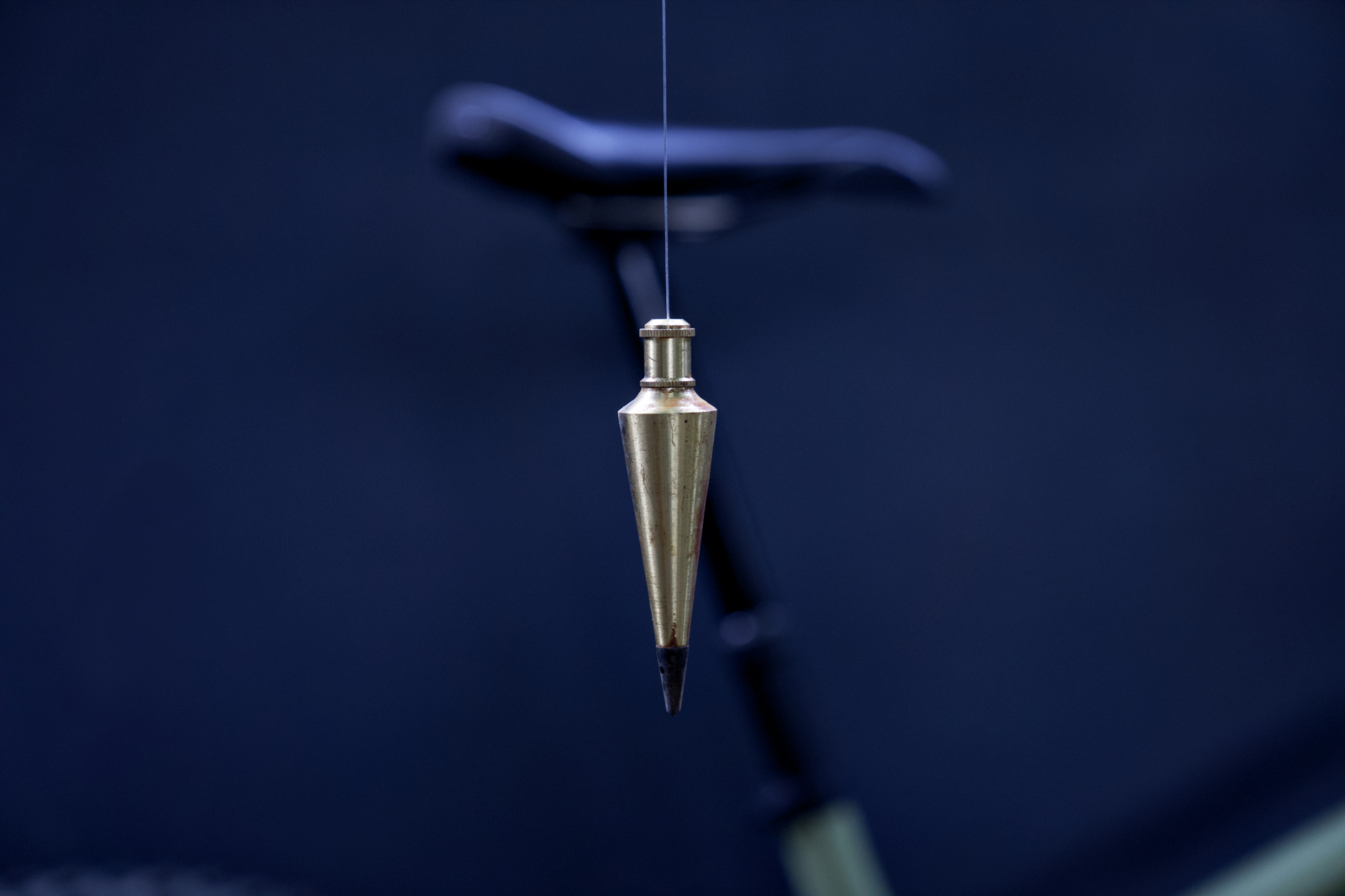
75 to 77 degrees. I just plumb bobbed a line over the very front of the saddles to see the difference a couple of degrees made.


Bicycle Tire Wheel Bicycle wheel Bicycles--Equipment and supplies


Wheel Tire Land vehicle Crankset Vehicle
 
#6 ·
A plum bob and a rule stick is a great easy and cheap tools that anyone has access to check geometry changes and ensure that your saddles in the right spot behind the bottom bracket
I use lasers and digital and mechanical angle finders to check things geometry, wise on bikes,
I find it just gives me that little bit better accuracy when I’m trying to discern the difference between millimeters
As long as I’m using the same saddle on both bikes, I just use the nose of the saddle with a plumbob from there down to find the different, but if I’m using a different saddle on one bike versus another, take that measurement from where the saddle measures 70 mm wide Taking the measurement from that point it takes nose of the saddle out of the equation
for the most part and the more true representation where you sit on a saddle versus measuring from the nose every time nose length on saddle very 50 mm or more in length And saddles that have become popular like specializes, power saddle have absolutely no nose on them.

I agree with you that there’s too much focus on reach numbers
That’s one of the reasons why I enjoyed seeing the Panarello geometry chart. The B1 measurement shows how far the seat post is behind the bottom bracket at stack height in millimeters as well as showing giving a cockpit measurement taken from the center of the seat post at saddle Heights measured to the center of the handlebars so incorporates everything into one measurement I like to see the whole pie and also all the different slices of it, and how each slice adds to the overall pie :)

Regarding the picture that Specialized provides that designate the different measurements you are correct the P line is the top tube length I agree with you that the spot that they are measuring from may be higher than the stack and that would count for the added slackening of the seat tube angle versus what it would be at stack height
But they don’t designate what high they’re taking that measurement from and if they’re going to take it from any other place, then stack height, they should acknowledge make you aware of what point the actual numbers are taken from
Bicycle Bicycle wheel Bicycle tire Wheel Bicycles--Equipment and supplies

here’s the full listing for the geometry chart for the Panarello dogma XC. They make it easy to understand. Specialized is all over the map with their geometry chart that they provide on their website for the new epic 8 is horrible doesn’t even show whether there taking those measurements half the time from either the high setting or the low setting it just seems to pick and choose randomly the owners manual for the new epic that you can download off the website at least shows geometry differences in high and low position
Font Number Pattern Parallel

Font Material property Parallel Number Pattern
 
#13 ·
this is some engineering level focus on geo. I just get on and ride...if it feels good, it is. If it doesn't, I tweak what I can. The fixation on every little detail is interesting, but bikes that look nearly identical on paper can ride so different on trails that I quit caring about "stats" and focus on feel. Everything single thing changes on squishy bikes with every foot you travel on real terrain...so static numbers are almost meaningless.
 
#7 ·
I
Anybody else with a Epic 8 feel a little crammed in the cockpit
I’ve measured the toptube horizontal length and on a size small frame in the high setting it’s 558 not the 568 that specialized states in their owners manual
So I was wondering where the difference lies I checked the reach measured from the center of the bottom bracket to the center of the head tube at stack height and it comes out to 424 mm which aligns with Specialized owners manual
So I then checked the seat tube angle and from the center of the bottom bracket to stack height on the seat post the effective seat to angle is 77° way steeper then what Specialized claims in their owners manual at stack height the seat post measures 134mm which gives me a top two length of 558 mm adding the reach number and saddle setback number from center of the bottom bracket together
This is epic8 expert size small
I went by a couple specialized dealers and measured a medium size and a large size and on both of those bikes. The reach numbers are correct as Specialized has stated but once again same as the small the seat to angle is steeper than Specialized claims both the medium and the large have the same seat post setback at stack height from center of bottom bracket 134mm
Then went to another shop that had an S-works size small in stock and it has the same issue as the expert model in size small does I was hoping maybe because the carbon lab was different that there was a different mold and that was the discrepancy was between the molds and that wasn’t disclosed in the owners manual, but that’s not the case
I’m coming off 2018. Epic works with the saddle set at the same position on the rails.and a saddle height of 700mm from center of the bottom bracket My saddle is 35 mm further forward!!!!
As someone who has worked in the bike fitting industry 35mm further forward saddle change is huge so I slam my saddle all the way back on the rails and now I’m 15mm further forward than my old position but unfortunately after trying lots of things to resolve the issue, I’m not able to adapt to the new geometry I have way to much pressure on my hands and on extended periods of flat trails, I get wrist, pain, and numb hands not good
And had to go to a really upright position to make it work but as someone who races XC at a high level being so upright doesn’t allow me to put the power down and my lap time on this bike has suffered
Please check for your self and measure the top tube horizontal length and effective seat tube angle I’d like to know what other people are finding.
Did you try the same saddle setback (distance between nose of the saddle and center of the BB)? Or is that impossible to achieve because your saddle rails are not long enough and/or it would require a seat post with bigger offset?

I'm not that happy with this new geometry and the upright/cramped position for flatter XC trails either, btw.

Also, I have the latest Epic HT in size M, but both the Epic Evo and the Epic 8 feel shorter, more cramped in the same size in spite of the fact that according to the geo charts the reach of the hardtail is shorter (and yet, while riding, it feels longer with the same length stem)
 
#8 ·
How many high-end cross country bikes do you think you’d sell publishing a 77 degree STA?

Whole different question as to whether this was a design goof or a production error (assuming it wasn’t intended).

These bikes get designed years in advance of rollout and therefore they have to make assumptions on trends. Maybe they wanted the Epic to become a trail bike, for example.

Hate to think they’d intentionally publish misleading info but…
 
#9 ·
Ya it’s unfortunately impossible for me to get my saddle where I need to be, I ran my saddle on the rails all the way forward on my 2018 epic S works so I moved my saddle, all the way back back on the rails on the epic 8 Which move the saddleback 20 mm and I’m still 15 mm further forward than I need to be :(

The combination of my saddle being 15 mm further forward over the bottom bracket my cockpit being 10 mm shorter and my handlebars 10 mm higher put me in an upright cramped position that just won’t work for me on a XC bike

Most amateurs don’t put out enough power to support their upper bodyweight properly with a steep seat tube angle the pros can get away with it because they produced double the power of an amateur and use the extra pressure on the pedals to support their upper bodyweight, even if an amateur has a similar upper body mass to the pros

I see the seat tube angle as a one trick pony, good for going straight up a steep mountain I could see it working for someone that only goes straight up a mountain and then back down
The super steep sections of Trail were never a problem for me before I would just slide forward on the saddle for a minute or two at a time and then on the flatter stuff I had room to slide back and get proper weight distribution on the flatter stuff

most people that I help with their bike fit I end up finding that by moving to a more rear saddle position and lowering the saddle they go from producing decent power for five minutes and can’t hold it for longer because their quads are on fire to now they can produce decent power for a 10 minutes or more Glut engagement, balancing the load between the quads and glue muscles better
So I’m just not seeing the upside to the steeper seat tube angle at an amateur level just because the pros can make it work doesn’t mean the rest of us amateurs

That’s the problem I see in the mountain bike XC world is the professionals need a completely different set up than what would work for an amateur
Suspension kinematics is a big on that is rarely mentioned most pros are running either a 36 or 38 chain ring and to get the anti-squat around the 100% Mark with that big of a chain ring means that when you downsize the chain ring for an amateur 32 or 34 the anti-squat is going to be crazy high well over 100% it would probably be close to around 130% or more And would be brutal to try to pedal over rough ground with
And if you design a bike with the anti-squat around 100% for an amateur running a 32 or 34 chain ring as soon as you give that bike to the professionals and they throw a 38 chain ring on it that same anti-squat drops to around 80% which is going to have a lot of pedal, Bob
There’s only a few companies that design their anti-squat around larger chain rings that the pros run

So for me, I see it as it’s not only the geometry that needs to be different for an amateur versus a professional, but it’s also the suspension design. You just can’t make a bike that works for the fastest riders in the world and the rest of us. That’s why I love to see what Panarello did with the dogma XC

I would love to see companies come out with bikes that don’t cater to the pros at all and focus on making bikes at work for amateurs that like to race XC without giving us a trail bike slapping XC suspension on it and calling it an XC race bike, which from my point of view it’s not
 
#15 ·
I see the seat tube angle as a one trick pony, good for going straight up a steep mountain I could see it working for someone that only goes straight up a mountain and then back down
The super steep sections of Trail were never a problem for me before I would just slide forward on the saddle for a minute or two at a time and then on the flatter stuff I had room to slide back and get proper weight distribution on the flatter stuff

most people that I help with their bike fit I end up finding that by moving to a more rear saddle position and lowering the saddle they go from producing decent power for five minutes and can’t hold it for longer because their quads are on fire to now they can produce decent power for a 10 minutes or more Glut engagement, balancing the load between the quads and glue muscles better
So I’m just not seeing the upside to the steeper seat tube angle at an amateur level just because the pros can make it work doesn’t mean the rest of us amateurs
I completely agree with this part. I don't even find the more upright riding position comfortable for longer days in the saddle (but then I'm also a roadie fwiw)
 
#10 ·
Regardless of the 77° effective seat tube angle the fact that the top tube horizontal length is 10 mm shorter than what they claim that’s a straightforward measurement
Specialized might have used some smoke and mirrors with their 75.9° seat tube angle number they came up with by taking it from a higher point on the bike then stack height. And not disclosing where they took that measurement from another thing that they don’t disclose in the geometry chart is the actual seat tube angle Is nowhere to be found on the geometry chart

Typically, I could calculate seat post setback behind bottom bracket By using the effective seat tube angle and from stack height up to top of seat post I use the actual seat tube angle and then add the two together to get the total measurement for seat post setback behind bottom bracket.

but the way Specialized has their geometry chart set up. You can’t do that. They’re hiding what’s going on. I don’t think that’s cool. I think that they should disclose more information on their bikes. I understand not everyone wants the information or understands what they’re looking at, but I don’t feel that they should dumb down, a geometry chart for the general public geometry charts should be detailed so that way bike fitters and people that care about their bike fit understand what they’re getting

Specialized owns Retul and the way Retul go about measuring bike and rider is extremely accurate Best in the business if you ask me. and is why most professional bike teams enlist their services To fit their riders professional riders, many of which are specializes direct competitors
being owned by Specialized I don’t see why Specialized can’t leverage their technology to confirm geometry on their bikes before they go on the showroom floor and make sure the consumer is getting what they are expecting at the price that mountain bikes go for nowadays. There’s plenty of extra money to ensure those things are correct but they just choose to be lazy unfortunately
 
#12 ·
Good observation on my saddle height and thinking that I would be under-sized on a size small vs you with the same saddle height but riding a size large

I’m 5’7” tall with a 33 inches inseam with a wingspan of 5‘11“and weight 135lbs
So I have long legs and arms and a short torso
I am kind of between sizes small and medium on most bikes
I’ve learned through trial and error in the past that sizing down to a size small ends up working out better for me than a size medium

The problem I have with the size medium is the reaches too far for my short torso and I end up with not enough weight over the front wheel and end up with too much weight on the rear wheel and the front end doesn’t get enough traction and I can’t trust the front end of the bike and I lose that planted feeling and confidence in the front end and that it’s going to go where I put it without washing out

On a size small frame, I end up with a lot of exposed post but there’s no real downside to that On the positive side, I get Shorter reach numbers and then run a longer stem than what I would on a medium to get the cockpit, the same measurement as a medium
Well, that set up I get the weight over the front wheel that I need to have confidence that’s not gonna wash out on me. The rear end will always follow the front end and I don’t mind if the rear end is a bit loose and slides around, but I lose all confidence. If I can’t trust my front wheel is gonna stick to the ground in a turn.
With having such a little upper body mass and being such a small rider, I have very little weight transfer front to rear when I’m trying to load the front end in a turn so I need a bike. I’m a little more over the front end so I typically run a 90 mm stem on a size small to be able to get enough weight over the front wheel for me

Even on bikes with steep head tube angles say around 70° and short reach numbers and a long by today’s standards 90 mm stem. I’ve never felt even on super steep downhill like I was gonna get pitched over the front end of the bike. The 70° head angle is definitely sketchy steering wise downhill at speed and would over steering and over reacting and much prefer a bike with around a 68° head angle from a bike handling perspective

that’s the set up that I’ve learned that works best for me after years of trying different positions and frame sizes

I know my body proportions are pretty far off from the average person and as part of the reason why I do my research before I buy a bike to make sure that I’m gonna be able to get the position that I need on a bike
 
#17 ·
So I'm a little taller, 5' 9.5", but have the exact same wing span and over 1" shorter inseam.

I'd say you'd def be on a medium (at minimum) with these newer geo bikes. Sounds like you just want to reproduce the positions of older geo bikes tho? The new positions def take time to adjust to - slight shift of muscle usage and ride techniques - but the body adapts pretty quick and IMO the new geo is faster once you adjust.
 
#22 ·
I bought the bike back in March when it first came out and yeah, I was hoping that overtime my muscles would adapt to the new position and I would feel more like at home, but that hasn’t been the case for me

I agree that a size medium at this point would be a better choice but the problem with that for me as I would have to run a 60 mm stem and the front wheel would be to far out in front of me for the way I ride even on the size small with an 80 mm stem. I have to really lean forward just to get enough weight over the front end to make it stick in the turns. And I could never fully get use to that feeling

I tried to give myself time on the bike thinking that I would adapt to it and I just needed to give it some time six months later though I still have the same complaints
I’m never one to give up easily I Tried lots of different things Try to help myself get comfortable on the bike but it just ain’t working for me

i’m sure it’s a great bike for a lot of people out there And I don’t want anyone to think that just because It didn’t work out for me doesn’t mean it won’t work for them. I’m pretty far off from the typical Body proportions of most people

I think it’s a great bike for people around 6 foot tall that weigh about 180 to 200lbs
Those riders need steep seat tube angles
Long reach and slack head tube angles
Because their center of gravity is so much higher on the bike so when going up or downhill their weight shifts forward or backwards a lot more than a smaller writer

I think for anyone under 5‘9“ they would be better served by something else other than the epic 8 if they are looking for a real XC bike an not a down country bike
 
#24 ·
I think you've kinda ruined the handling of the geo by shoving the saddle (and your weight) further back and then compensating for that by putting a longer stem on there that will really slow down the steering with a slack HTA. I say this because I did similar things on my first frame with a 66-67 HTA.

Stay centered over the BB (instead of near the rear hub) and just add speed and more lean. The shorter stem and wider bars really let me drive that lean into the corners. Being a bit further behind the front offers more control and a bit more forgiveness if the traction slips vs the old XC days with 100-120mm stems in my experience.
 
#25 ·
I think you've kinda ruined the handling of the geo by shoving the saddle (and your weight) further back and then compensating for that by putting a longer stem on there that will really slow down the steering with a slack HTA. I say this because I did similar things on my first frame with a 66-67 HTA.

Stay centered over the BB (instead of near the rear hub) and just add speed and more lean. The shorter stem and wider bars really let me drive that lean into the corners. Being a bit further behind the front offers more control and a bit more forgiveness if the traction slips vs the old XC days with 100-120mm stems in my experience.
As far as I understand (at least that's my perspective too), the issue is not so much speed and cornering, but a steep seat tube angle and the centered, upright position it favors, not really being that great for longer "epic" rides (4-5 hours, covering greater distances with lots of flatter natural trails). As the OP said, riding steep ups and downs (or bike parks) is fine with these newer geometries, but ergonomically they are not the best when you just pedal in the saddle for long distances on less steep terrain
 
#28 ·
Anybody else with a Epic 8 feel a little crammed in the cockpit
I’ve measured the toptube horizontal length and on a size small frame in the high setting it’s 558 not the 568 that specialized states in their owners manual
So I was wondering where the difference lies I checked the reach measured from the center of the bottom bracket to the center of the head tube at stack height and it comes out to 424 mm which aligns with Specialized owners manual
So I then checked the seat tube angle and from the center of the bottom bracket to stack height on the seat post the effective seat to angle is 77° way steeper then what Specialized claims in their owners manual at stack height the seat post measures 134mm which gives me a top two length of 558 mm adding the reach number and saddle setback number from center of the bottom bracket together
This is epic8 expert size small
The geometry charts listed on the Specialized website for the Epic 8 are awful, a jumble of measurements and very misleading.:(

Just so I’m clear a 424mm reach and 77 degree seat tube angle is from measuring the Size Small Epic 8 frame with the suspension flip chip in the HIGH position?

According to the manual (not the website) the seat tube angle for a Size Small Epic 8 frame in the HIGH flip chip position is supposed to be 76.4 degrees.

In LOW flip chip the seat tube angle is supposed to slacken slightly to 76.0 degrees for the Size Small frame. Have you been riding it in the HIGH or LOW flip chip setting?

The two smallest frame sizes in the charts vary from the rest of the range. Although the head tube angle stays the same as larger sizes the seat tube angle is much steeper on the two smaller frames than the larger ones. You might actually have been happier with a Size Medium frame than a Size Small frame for the Epic 8.
 
#30 ·
I’ve been running it in the high position. I tried the low position, but it just slacking the head angle out too much for my liking
65.9 with on sag and once I’m on the bike, it turns into 65.4 degrees to me is trail bike territory

from my perspective, Specialized has their philosophy of seat, tube angle backwards from my perspective and real world trial and error with riders most smaller riders do better with slacker seat, tube, angles, and taller. Riders do better with steeper seat tube angles.
 
#32 ·
Ya I agree with you that skipping a generation makes the changes more noticeable
I test rode a 2021 epic and liked every thing about it except for the 48mm bottom bracket drop was to much for me and ended up with to many pedal strikes because I find that the brain shocks work best with 30mm of sag so the extra sag made the bottom bracket drop even more

I like what Trek did on the gen 2 supercaliper
I think it’s has a balanced geometry and would work great for most people that was a true XC bike

When I measured a small, medium, and large epic 8 I come up with the same effective seat tube angle on all three So even though in the geometry chart, Specialized provides in the epic 8 owners manual says that the small has a steeper seat tube angle, then the medium or large when I measure the bikes in the real world that’s just not the case

specialized is the biggest bike brand in the world. I can kind of excuse the geometry chart mistake if this was some smaller boutique brand that didn’t have the resources that Specialized has but the resources that Specialized has there’s no reason that they couldn’t come up with a proper geometry chart for the bikes.

in the past, I used to think as Specialized was the big brand that actually cared about the little guy, but since the owner of the company has retired and it’s become more of a corporate entity than privately owned, I feel that they are losing their way in some respects. And I think that’s why the founder of specialized Talked the founder of Santa Cruz bikes into coming to work for Specialized doing R&D and development for them since he sold Santa Cruz bikes to the same investment group that owns Cannondale

I’m looking forward to hearing what you come up with for measurements on your own bike :)
 
#33 ·
With Specialized online geometry chart picking the low setting for seat, tube angle and the high setting for head tube angle it’s as if they were trying to hide the fact that the bike was really designed for the Epic 8 evo
I could see Specialized doing this because I’m sure they sold way more epic Evo then they did epic with the last generation so I’m sure there was more of a design focus on the Evo side of things less on the epic side of things, but for the amount of bike, Specialized sells they should’ve came up with two completely separate frames with different geometry that would cater to trail riders with the Evo and XC riders with the epic instead of just making one frame and it being a bit of a compromise for both bikes
 
#36 · (Edited)
JSR, I'm with your frustrations about STA's, bikes only working when ridden on very steep terrain, and the poor info on geo.

Many don't understand the requirements for balance in the quad / hamstring + glut complex. If you've read MTBR for a while, you'll have seen the threads where complainins about having too much weight on his hands. Sadly, half the respondents agree, and the other half have the attitue "new geo is awesome, I've adapted, so you can too" - sadly some people can't see from anothers perspective.

Here's an interesting post from Mudguard (poster #5 above), where I hypothesis that him being faster on a given loop on his 10y/o bike might be due to the STA ... https://www.mtbr.com/threads/50km-r...ds/50km-race-which-bike-to-use-29-vs-26.1233849/?post_id=16315781#post-16315781

I have long femurs, and ever since I 1st broke my collarbone, my VMO's tend to waste away, so I get knee pain unless I use my roadbike fit on my MTB's. This typically has the front of a normal length saddle at 90mm behind the BB. I'm not looking forward to having to buy a new bike...

Next time I buy a bike, I'm going to to ask the manuf or a user to provide the measurement / picture of a plumbline from the centre of the saddle clamp.

I assume that you know that the $$$ SMP saddles have l o n g rails, AND, naturally position the rider ~15mm further back as well. If not, check out Colby Peare's and Steve Hogg's sites for lots more info.
 
#38 ·
#39 ·
Rectangle Font Circle Art Number

This dogmatic approach is exactly what's wrong with current steep geo. It's like the olden days where the seating position in Italian cars was offset to the pedals...ect. The joke about Ferrari's was that one bought the engine and the rest of the car was free.

The car/bike should fit the rider....not the other way around.

Also, bicycles are unique in that they're powered by the human. Thus the geo should cater for allowing the human to deliver as much power as possible. Alas steep STA's don't always allow the glut/hamstrings to be fully utilised.

wfl3 thinks (correctly) that the handling is 'kinda ruined' by putting the saddle in the position that it needs to be so that the rider is comfortable and can produce good power. Seems to me that it's not very clever to design bikes that don't work unless the rider is uncomfortable.
 
#41 ·
A lot of this is marketing BS and you make significant sacrifices for some of the geometry. They are still selling the larger frames with 175 cranks. Can you actually use these and not be constantly pedal striking? I cant, because the BB drop is so much on these bikes compared to older ones it doesn't matter your inseam or size, if you run these, you'll be slamming the ground. The BB isn't higher on the large frames. And STA. The short travel bikes do not need as steep seat tubes, because they aren't an enduro rig going on a winch n plummet mission where the bike sags inches and needs to be steepened to prevent crazy slack angle. When you get to HTs, they don't sag at all. Point being your enduro rigs with steeper STAs are still sagging and effectively slacker. XC rigs do not experience this as much. So too steep can be horrible to ride on anything other than winch-n-plummet, if they overdo it relative to the bike's intent.
 
#43 ·
I got my bike back today. This picture is from the side and shows the Effective Seat Tube angle (measured from the headset) and Head Tube angle on my Size Large 2024 Epic 8.

Bicycle Wheel Bicycles--Equipment and supplies Tire Plant


Using the ruler tool in Photoshop the effective seat tube angle comes out at 76.9 degrees approx measured at the stack height to the top of the headset and the head tube angle is 66.4 degrees approx. That effective seat tube angle is quite a bit steeper than the the 75.9 degrees it states in the the Epic 8 manual.

The bike was at the bike shop to have the rear shock and damper swapped out (I didn't do it) so I think this is with the suspension flip chip in HIGH. I'm going to take the rear shock off tomorrow and double check what it is actually set to at the moment:

A couple of links about measuring Effective Seat Tube angle:


"Enter the “effective” seat tube angle. Yes, that’s a virtual dimension! Unfortunately, there has not been any sort of standard on how to measure this effective seat tube angle across the industry. Instead, every brand has its own method of calculation. This can mean that one brand’s bike can list a totally different seat tube angle from another company’s bike, even when the other numbers on the chart are identical.

The reason for this is the way they measure. Schmitt says that Kona measures starting at the stack height—a line from the top of the head tube parallel to the ground (a measurement also known as the virtual top tube). Where this line intersects the actual seat angle is where they draw the line to the bottom bracket, forming the effective seat tube angle. Pivot and most manufacturers measure their frames in a similar manner. The problem is that almost nobody runs their saddle at this point!

Since actual seat angles vary for a variety of reasons, the place where your seat clamp sits at your saddle height can be very different among brands and models of bikes, even if the listed number is identical. “One brand might list a 78-degree seat angle, whereas another lists 75.5 degrees on a similar-travel bike,” explains Cocalis. “However, once you set your seat height and run a line from the top of the post to the center of the BB, you may find that the bike that lists a slacker angle actually has a steeper effective angle at the rider’s true saddle height than another bike that lists a steeper seat angle. On the other hand, some companies have truly embraced really steep seat tube angles and use them across their range of bikes and travels. It’s difficult to compare.”
MTB Action
 
#46 ·
I got my bike back today. This picture is from the side and shows the Effective Seat Tube angle (measured from the headset) and Head Tube angle on my Size Large 2024 Epic 8.

View attachment 2112998


Using the ruler tool in Photoshop the effective seat tube angle comes out at 76.9 degrees approx measured at the stack height to the top of the headset and the head tube angle is 66.4 degrees approx. That effective seat tube angle is quite a bit steeper than the the 75.9 degrees it states in the the Epic 8 manual.

That looks way easier than my tape, string and plumb bobbing. I rarely use Photoshop (Lightroom yes), I didn't know it was possible. I assume you need to take the photo as square as possible preferably zooming in?
 
#44 · (Edited)
Thanks for taking the time and measuring your epic 8 S-works size large

looks like you came op with the same measurements as I did thanks for helping to confirm the measurements I’ve taken

Were you able to measure the top tube horizontal length on your epic 8?

I like the article that you link to mountain bike action
I’ve read that article multiple times and thought about it the other day and actually looked it up and wrote it again for myself and was thinking about posting it on this form so glad to see that you did :)
They did a great job with that article
I grew up a couple miles away from their headquarters and I’ve had some friends work for them over the years. They are great people. That come up with great articles. And have never subscribed to the Clickbait overhyped half baked articles that are more an advertisement for the companies and the products they sell I see a lot of nowadays. They do a great job of remaining neutral and just give their feedback on the products they’re given to test If a product sucks, they say it straight up they don’t hide the truth, regardless if it hurts some companies feelings or not I think some online media outlets are scared to give bad reviews for fear that they won’t get free bikes to test or people won’t want to advertise with them. Mountain bike action and the company that owns them high torque publishing are in the business of telling the truth and their real world experience with a product And are loyal to their subscribers, and their subscribers are loyal to them and trust what they write in their articles most of the people that work for them have been the industry for decades and draw off of their history in the industry to look past some of the hype And expose what’s really going on :) my type of people!!!!
 
#48 ·
This is a quote from a Pinkbike article about effective seat tube angles. After measuring the effective top tube length on my frame I'm fairly sure this is similar to what Specialized have done with the Epic 8 geometry chart too. The effective top tube length and effective seat tube angle are calculated at a notional saddle height, somewhere above the frame stack height, which gives the slacker effective seat tube angle in the Specialized Epic 8 geometry charts.

"Transition and Unno are two of the brands quoting the seat height at which they measure their virtual seat tube angle.
...
Transition, however, are giving out all the information. Actual seat tube angle, virtual seat tube angle, the seat height it’s measured at and also the offset from the BB. Transition use seat heights of 560mm, 600mm, 660mm, 720mm, 780mm and 820mm for their XS, S, M, L, XL and XXL sizes respectively. Their actual seat tube angle remains the same for all sizes; as the seat height gets higher the virtual seat tube angle gets slacker.

As a rider, all you need to know is what seat height you use. And this is an easy measurement to acquire, measuring from the center of the BB to the top of the saddle."
Pinkbike


This picture is from the Specialized Epic 8 manual and the effective top tube length is shown to a point on the seatpost head, well above the stack height.

Bicycle Bicycle frame Bicycle tire Bicycle fork Bicycles--Equipment and supplies


After spending some time today tearing my bike apart, making sure the suspension flip chip was set to LOW position, redoing the suspension pressures from scratch and a zip tie burp on the fork (to ensure it wasn't stuck down in its travel) I found a flat spot outside and tried to get a better picture.

Bicycle Wheel Tire Land vehicle Bicycles--Equipment and supplies


When I tried to measure the effective top tube length at stack height with a tape measure it was way off. The manual says 633mm for LOW suspension flip chip position but it was only around 610mm measured at stack height. That's a big enough difference that I started thinking it could be a different measurement altogether.

Working back I set the tape measure length to a fixed 633mm, raised the tape measure up vertically above the stack height and had a look at where this lined up with the seat post. It was slightly lower, but close, to the saddle clamp of the seatpost.

In the picture above this is measurements 4. Effective Top Tube length (higher seat clamp height) and 5. Effective Seat Tube angle (higher seat clamp height). Measuring from this higher point, where the Effective Top Tube length matches the manual geometry chart measurement of 633mm, the Effective Seat Tube angle comes out at the slacker 75.5 degrees approx as well, which matches the manual geometry chart measurement of 75.5 degrees.:)
 
#49 · (Edited)
This is a quote from a Pinkbike article about effective seat tube angles. After measuring the effective top tube length on my frame I'm fairly sure this is similar to what Specialized have done with the Epic 8 geometry chart too. The effective top tube length and effective seat tube angle are calculated at a notional saddle height, somewhere above the frame stack height, which gives the slacker effective seat tube angle in the Specialized Epic 8 geometry charts.

"Transition and Unno are two of the brands quoting the seat height at which they measure their virtual seat tube angle.
...
Transition, however, are giving out all the information. Actual seat tube angle, virtual seat tube angle, the seat height it’s measured at and also the offset from the BB. Transition use seat heights of 560mm, 600mm, 660mm, 720mm, 780mm and 820mm for their XS, S, M, L, XL and XXL sizes respectively. Their actual seat tube angle remains the same for all sizes; as the seat height gets higher the virtual seat tube angle gets slacker.

As a rider, all you need to know is what seat height you use. And this is an easy measurement to acquire, measuring from the center of the BB to the top of the saddle."
Pinkbike


This picture is from the Specialized Epic 8 manual and the effective top tube length is shown to a point on the seatpost head, well above the stack height.

View attachment 2113119

After spending some time today tearing my bike apart, making sure the suspension flip chip was set to LOW position, redoing the suspension pressures from scratch and a zip tie burp on the fork (to ensure it wasn't stuck down in its travel) I found a flat spot outside and tried to get a better picture.

View attachment 2113118

When I tried to measure the effective top tube length at stack height with a tape measure it was way off. The manual says 633mm for LOW suspension flip chip position but it was only around 610mm measured at stack height. That's a big enough difference that I started thinking it could be a different measurement altogether.

Working back I set the tape measure length to a fixed 633mm, raised the tape measure up vertically above the stack height and had a look at where this lined up with the seat post. It was slightly lower, but close, to the saddle clamp of the seatpost.

In the picture above this is measurements 4. Effective Top Tube length (higher seat clamp height) and 5. Effective Seat Tube angle (higher seat clamp height). Measuring from this higher point, where the Effective Top Tube length matches the manual geometry chart measurement of 633mm, the Effective Seat Tube angle comes out at the slacker 75.5 degrees approx as well, which matches the manual geometry chart measurement of 75.5 degrees.:)
Thanks for taking the time and getting some detailed measurement, angles of your bike.

I think you did a great job on trying to figure out how specialized came up with those measurements. Unfortunately looks like Specialized has come up with there own way to measure seat tube angle and didn’t provide the info need for there consumers to understand how they came up with those measurement and how it relates to them
You had to basically reverse engineer it to find out how the hell they came up with those measurement
Bicycle Bicycle frame Bicycles--Equipment and supplies Bicycle fork Bicycle seatpost

Bicycle Bicycle frame Bicycle tire Bicycle fork Bicycle seatpost

Bicycle tire Bicycle Bicycle frame Bicycle part Bicycles--Equipment and supplies

Bicycle Bicycles--Equipment and supplies Bicycle handlebar Bicycle part Bicycle accessory

from the pictures that Specialized provides, it doesn’t appear as though they are measuring the seat tube angle at the saddle rails to me. It looks like they’re taking that measurement at a lower point that I assume would been at stack height that’s what it looks like from the pictures

Also for horizontal top tube length from the pictures, it looks like they’re taking that measurement from stack height as well instead of some other other arbitrary point that they haven’t disclosed

What’s weird is a measure the geometry on my 2024 epic World Cup and the geometry measurements that I take match exactly what it shows in the manual and any previous specialized bike that I’ve measured always came up correct so it’s strange that all the sudden they go to some other arbitrary point for measurements, but aren’t disclosing it or even acknowledging it in any of the literature to me that’s just doing their customers a disservice and Just making things more confusing than they need to be
Bikes are complicated pieces of equipment. It would be nice that if someone wants to know the details of a bike that there’s the resources to help them properly understand different aspects of the geometry that the bike they’re selling comes with
 
#50 ·
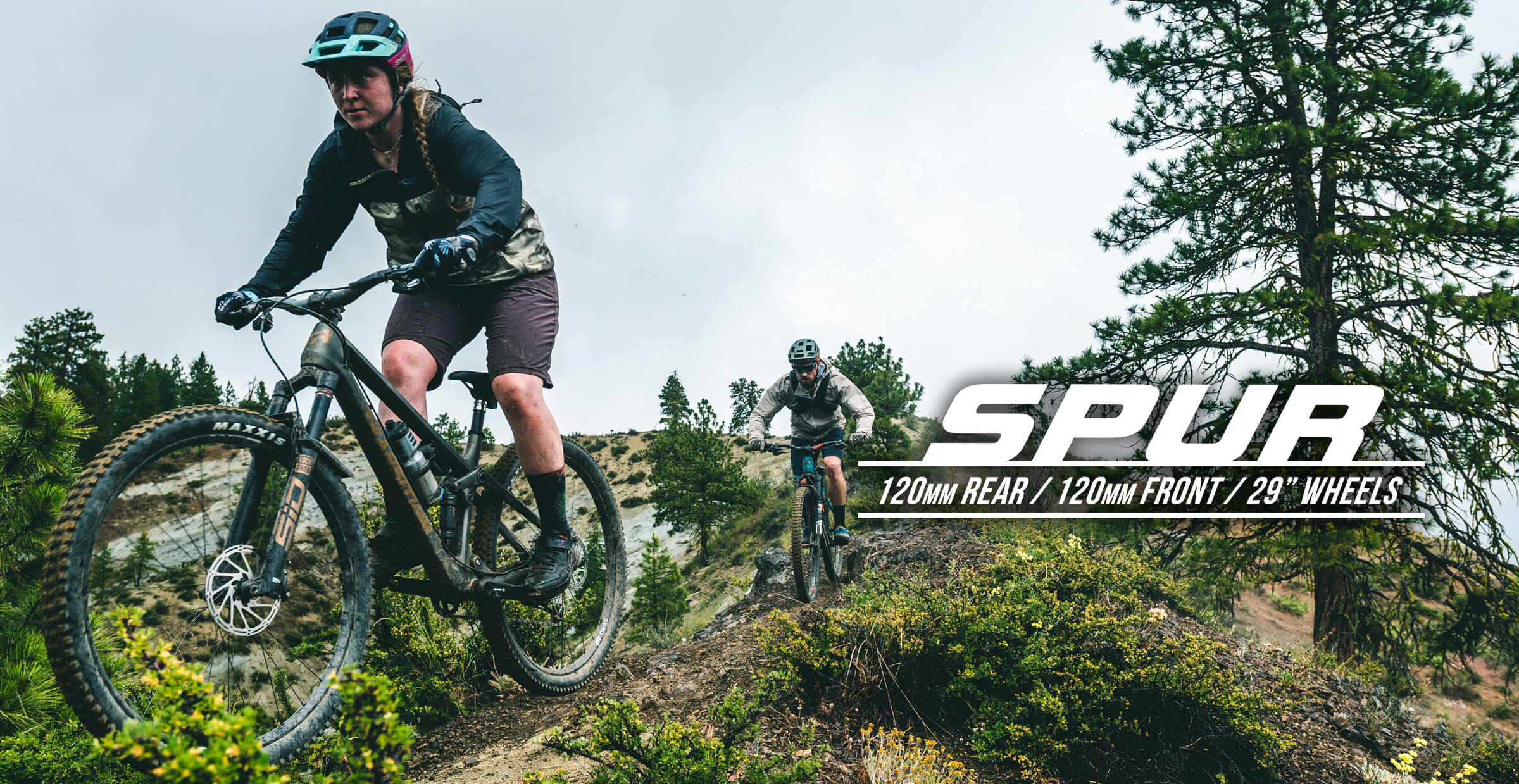
The Specialized Epic 8 geometry diagram picture is similar to a Transition Spur geometry diagram (Dimension C). The Transition Spur states the saddle height that is used, although the Specialized geometry diagram doesn’t.


Bicycle Tire Wheel Bicycles--Equipment and supplies Bicycle wheel


The Transition Spur has similar geometry numbers to an Epic 8 in HIGH flip chip, which is the default.

With the Transition Spur it also gives “Saddle height for effective seat tube angle” and “actual seat tube angle.”

The other numbers for Small, Medium and Large Sizes (but maybe not XL) are so close that the “Saddle height for effective seat tube angle” and “actual seat tube angle.” should be close too.

A Size Small Transition Spur is

Effective top tube length = 569mm
Effective Seat Tube angle = 76.7 degrees
Saddle height for effective seat tube angle = 600mm

A size Small Epic 8 (HIGH flip chip) is

Effective top tube length = 568mm
Effective Seat Tube angle = 76.4 degrees

A Size Large Transition Spur is

Effective top tube length = 630mm
Effective Seat Tube angle = 75.9 degrees
Saddle height for effective seat tube angle = 720mm

A size Large Epic 8 (HIGH flip chip) is

Effective top tube length = 632mm
Effective Seat Tube angle = 75.9 degrees

Colorfulness Rectangle Font Slope Technology


Font Parallel Screenshot Pattern Number
 
#51 ·
Transition bicycles did it the right way
Gave the consumer the information needed to be able to understand there seat tube angle
1 Effective Seat tube angle
2Actual seat tube angle
3Seat tube angle at different saddle heights
And the key part disclosing what those saddle heights are

Specialized only gives you
1 Seat tube angle at a saddle height, but don’t disclose what height from the center of the Bottom bracket

Just To summarize the disproportionate changes that the new epic 8has versus my previous bike

1 My saddle move forward 35 mm
2 My reach is 16mm longer

So things don’t line up why move the seatpost 35mm but the reach only extended by 16mm
And I’m supposed to use a shorter stem because of the slacker head tube?
19mm shorter Distance between the handlebars and saddle Leaving the cockpit cramped

As far as I see it, the reason to move to steeper seat tube angle is to match the increased reach to the Handlebars
Increase the reach by 15 mm move the seat. Post forward 15 mm seems pretty straightforward to me but move the saddle forward 35 mm and the reach only extend 16 mm just doesn’t seem right. And to me means everyone has to go up a bike size to get that extra reach To balance out how far they move the saddle forward

Because the balance out what they did in the size small would have a reach of around 443mm that a lot of reach for a size small

I just see they way they went about the geometry on the new epic 8 is different than anything else they did previously on an XC bike and I really don’t agree with the out of balance approach

I’m all for adapting to a new bike give the body and mind time to readjust even after an extensive period of time trying to adapt the out of balance changes they make made me Less efficient on the bike
I realize why would I want to adapt to a position that I end up being slower in the bike is fun standing up got no problems there but we spend most of the time sitting down on are bike and that position should be the priority
In a XC bike setup Trail and Enduro bike should prioritize standing position over seated because that’s the main focus is the downhill with XC and all about the climbs
 
#52 · (Edited)
Having owned an XL Pivot Mach 4 SL (my21) and now an XL Epic 8 (SW), I note that
  • the geo table states an equal ETT
  • reach of E8 should be 15 mm bigger
  • E8 has slacker HTA and steeper STA (see tables in previous post)
However, in reality, seated the E8 is about 15 mm shorter for me, so the ETT measurement methods of Pivot and Specialized do not match.
The same applies for my wife, who made the same transition, from M4SL in L to E8 Evo in L.
Both being long legged and always between sizes (me between L and XL and she between M and L), the E8’s fit us perfectly.
So, in contrast to the unhappy thread starter, we are very happy with the sizing!
But I should note that we went to a store to try out the different sizes before ordering. I was fortunate to be able to try an XL, the store owner went out of his way to make this happen AND offered an (paid) upgrade to FA. In return I did not ask for discount ;-)